← Back to home

More work

A few other things I've built. The short version of each, with plenty more behind them if you want it.

2019 to 2021 · Co-founder, product vision and UX lead

Q - Recs. from Friends

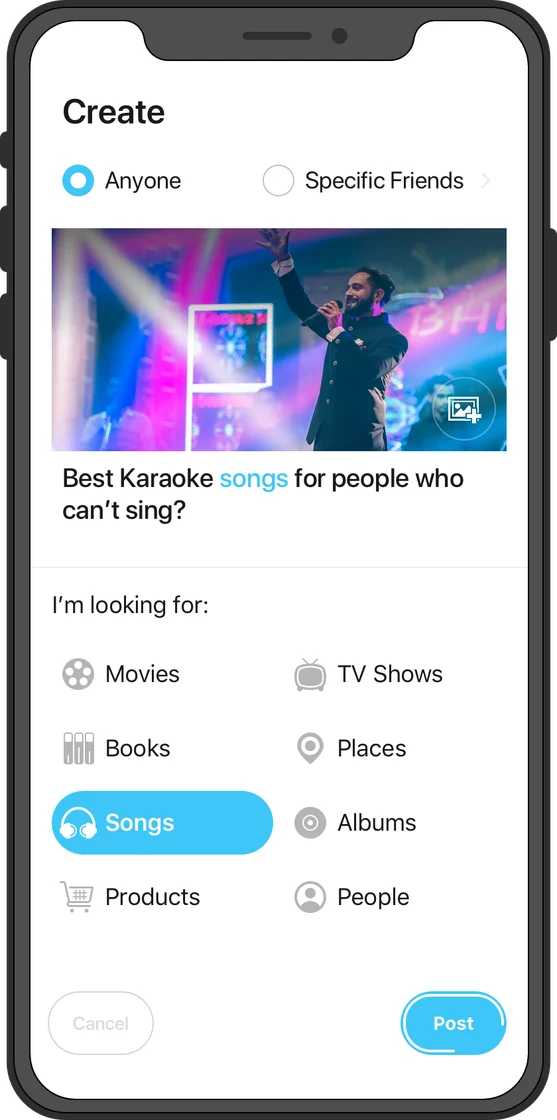
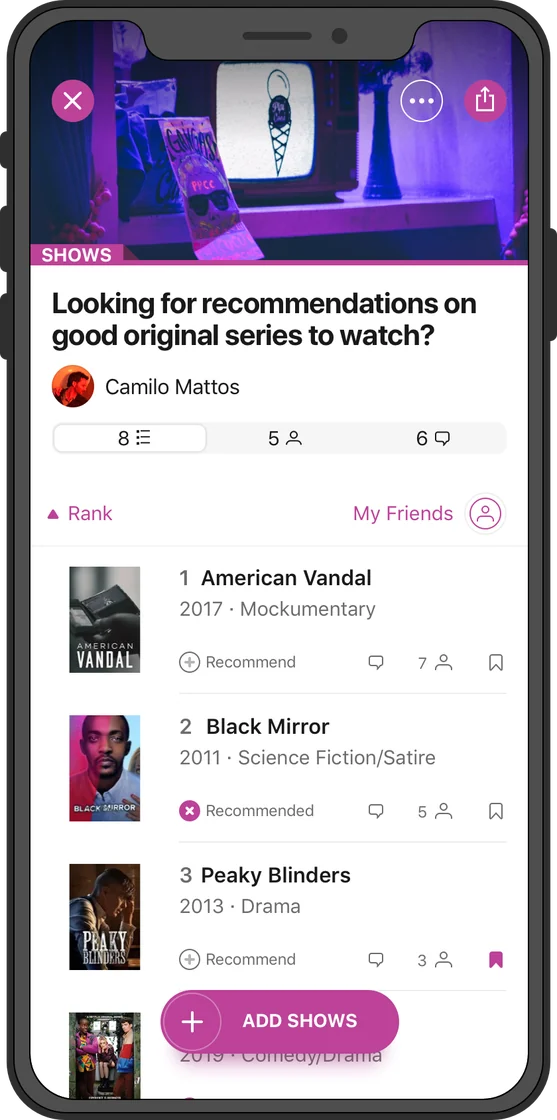
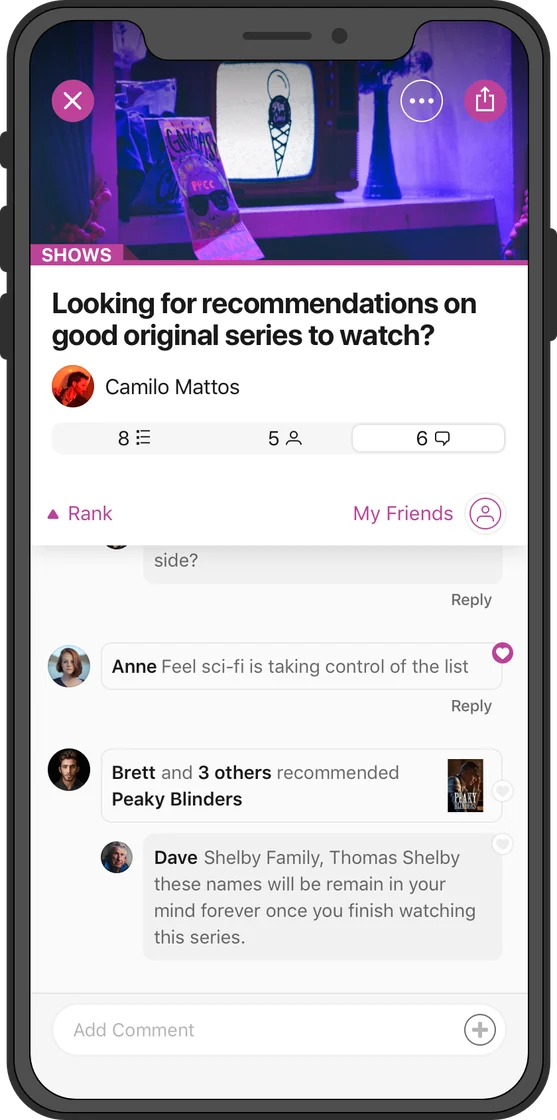
Ask the people you trust instead of the internet. You post a question, tag what you are after (a movie, a book, a coffee shop, even a person), and pick whether it goes to everyone or just the friends who actually know. What comes back is a ranked list rather than a thread, with the people who answered and the conversation kept beside it.

Three former colleagues and I raised about $750K and put an invite-only alpha on the App Store, reaching around 2,000 users. The pandemic ended it. It also caught the attention of a former Amazon SVP, which led to an acquihire by Saks Fifth Avenue in 2021 and the Saks redesign.
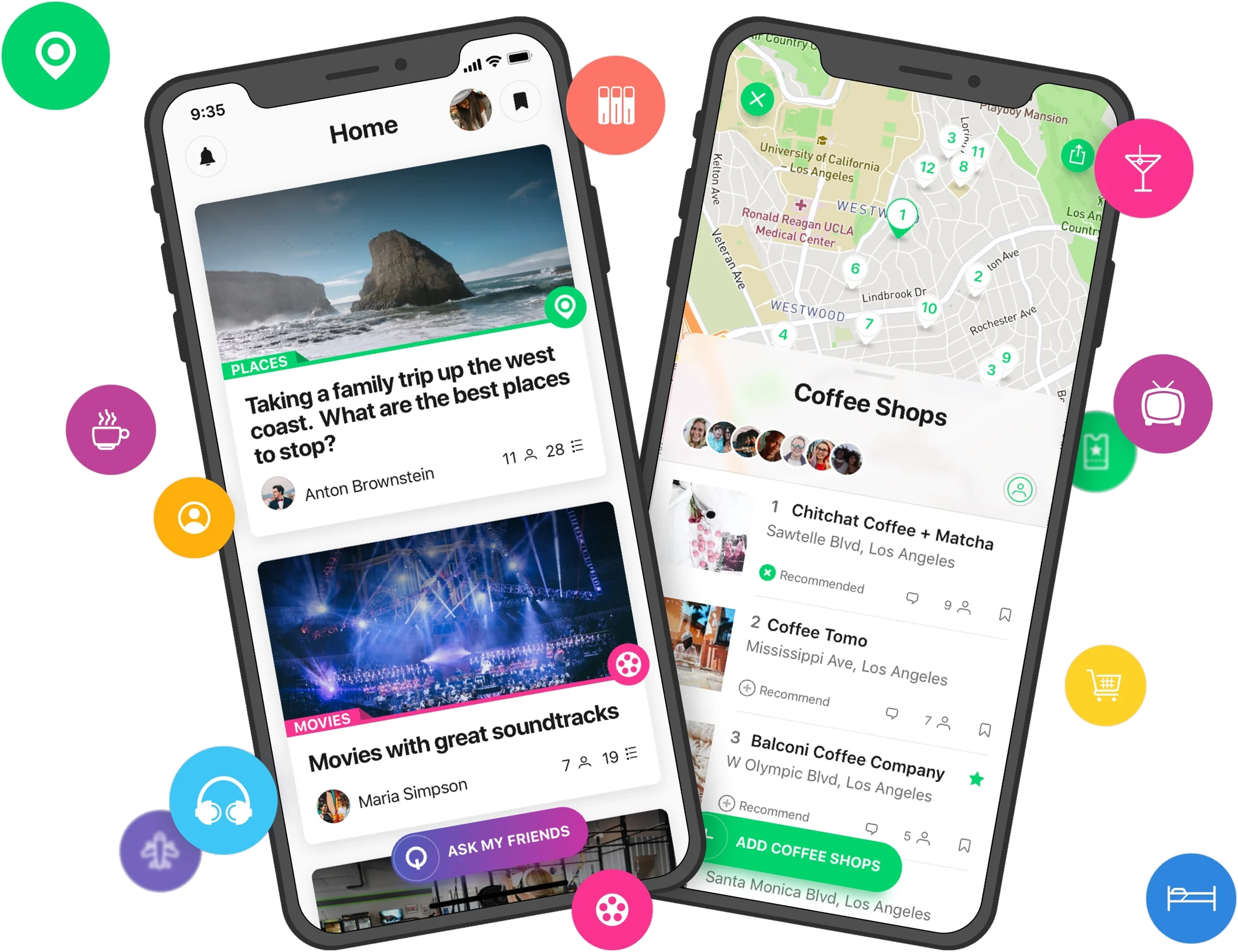
Q's home feed and a saved Coffee Shops list shown on two phones, ringed by the app's category marks for places, movies, books, music, travel, food and hotels.
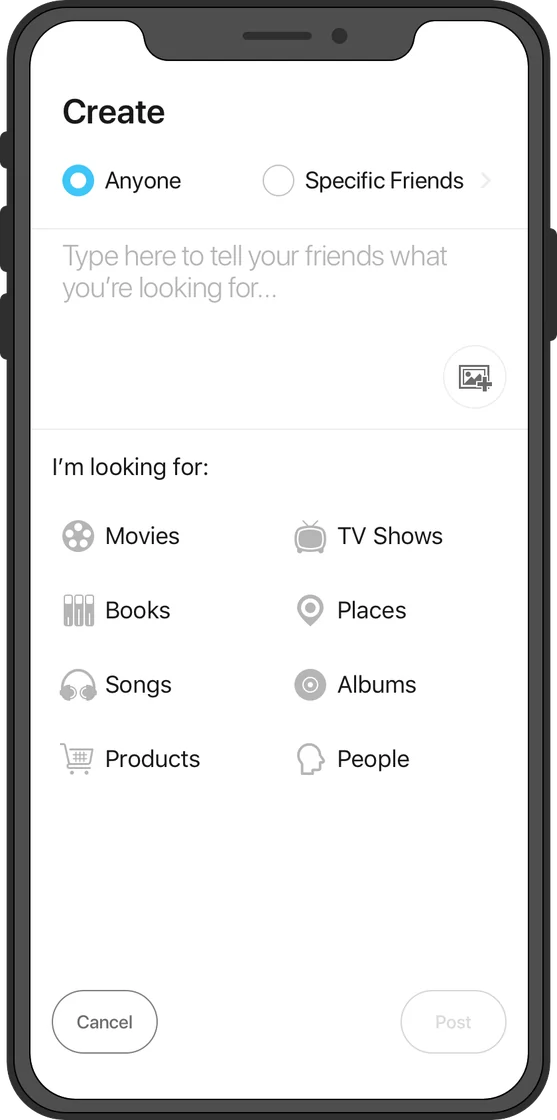
The Create sheet before anything is typed: an audience toggle for Anyone or Specific Friends, an empty question field, and eight categories to tag. The same sheet filled in, asking for the best karaoke songs for people who can't sing, with Songs tagged and Post now enabled. The recommendations for a question about original series, ordered by how many people backed each one: American Vandal, Black Mirror and Peaky Blinders, each row offering Recommend, comment and save. The friends who answered the same question, five of them listed with how many titles each put forward and how long ago. The chat attached to the same question, where people discuss the recommendations, including a note that Brett and three others recommended Peaky Blinders.

The ask, then the three ways an answer comes back. Scroll sideways.

2021 · Concept, product vision and UX

SuperForest

Most climate giving ends the moment you donate. You submit, you get a receipt, and nothing comes back. SuperForest was a concept for the missing half: give to a vetted reforestation partner, and the trees your money paid for appear as a forest of your own, one that keeps growing between visits.

From there it turns social. You can tend more than one forest, visit other people's, plant alongside friends, and run campaigns that pull new people in. The mechanics are lifted from FarmVille, Zoo Tycoon and CryptoKitties, pointed at something checkable: tap any tree and it tells you its species, where it went in the ground, and which project it belongs to.

SuperForest home screen, a lit forest at dusk with Explore, Plant a Tree and Start a Campaign along the bottom. Choose Location, a map of South America with reforestation sites marked, and the Amacayacu National Natural Park selected. Tree detail for an Ipê, showing price, points, rarity, level and a quantity stepper before adding it to your forest. Confirmation screen thanking the user for planting a tree in Amacayacu National Park, with options to add a dedication, gift a tree, or plant your SuperForest. Forest Score, showing overall points, trees planted, animals, CO2 offset and footprint, plus a time of day and season control. Start a Campaign, basic info step, with a project description, location, tree goal and a control for who can participate. Start a Campaign, details step, with dates, collaborators, a campaign cover image and a media gallery. Amazon Reforestation Project detail, with progress toward a 50,000 tree goal, a location map and photo updates from the site. A grown forest rendered in the app, with likes and comments and a button to plant another tree. User profile showing total points, trees planted, CO2 offset and footprint, above a feed of that user's forests.

The full flow, in order. Scroll sideways.

2008 to 2016 · UX designer

Roambi

MeLLmo was founded in January 2008, two months before Apple shipped an iPhone SDK and six months before there was an App Store to ship into. Roambi turned business reports into something you could touch: a set of Views that walked you through your data a step at a time instead of emptying it onto the screen. We built them that way because a 3.5 inch screen left no other option, and then people chose them on iPad and desktop where the constraint did not apply.

I was a UX designer there for eight years, and I am first-named inventor on four of the company's US patent filings for how data should behave under a finger. Sequoia led a $30M round in 2011 and SAP acquired the company in 2016. AI in 2026 is touch in 2009: nothing to copy, and the platform still changing while you design for it.


Patent drawing of the card catalogue: months of data as cards fanning back into depth above a bar chart.
Records as cards, stacked into depth.
Patent drawing showing three states of the same card catalogue mid-swipe, the stack compressing and expanding.
Three states of the same stack mid-swipe.
Patent flowchart: detect the swipe, determine speed and direction, move the catalogue toward or away from the viewer, recalculate velocity, stop below a threshold.
A physics model for a finger, written in 2009.
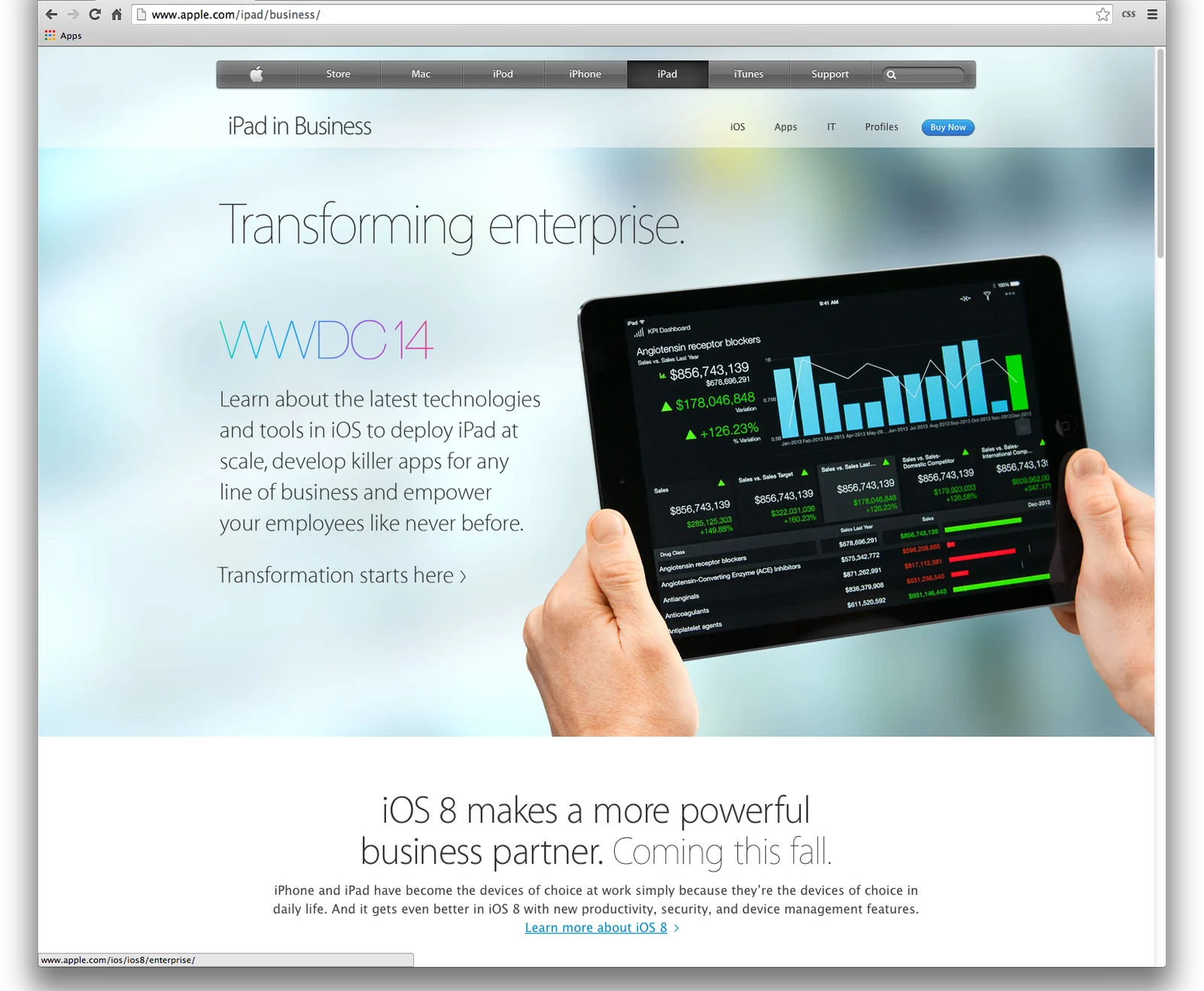
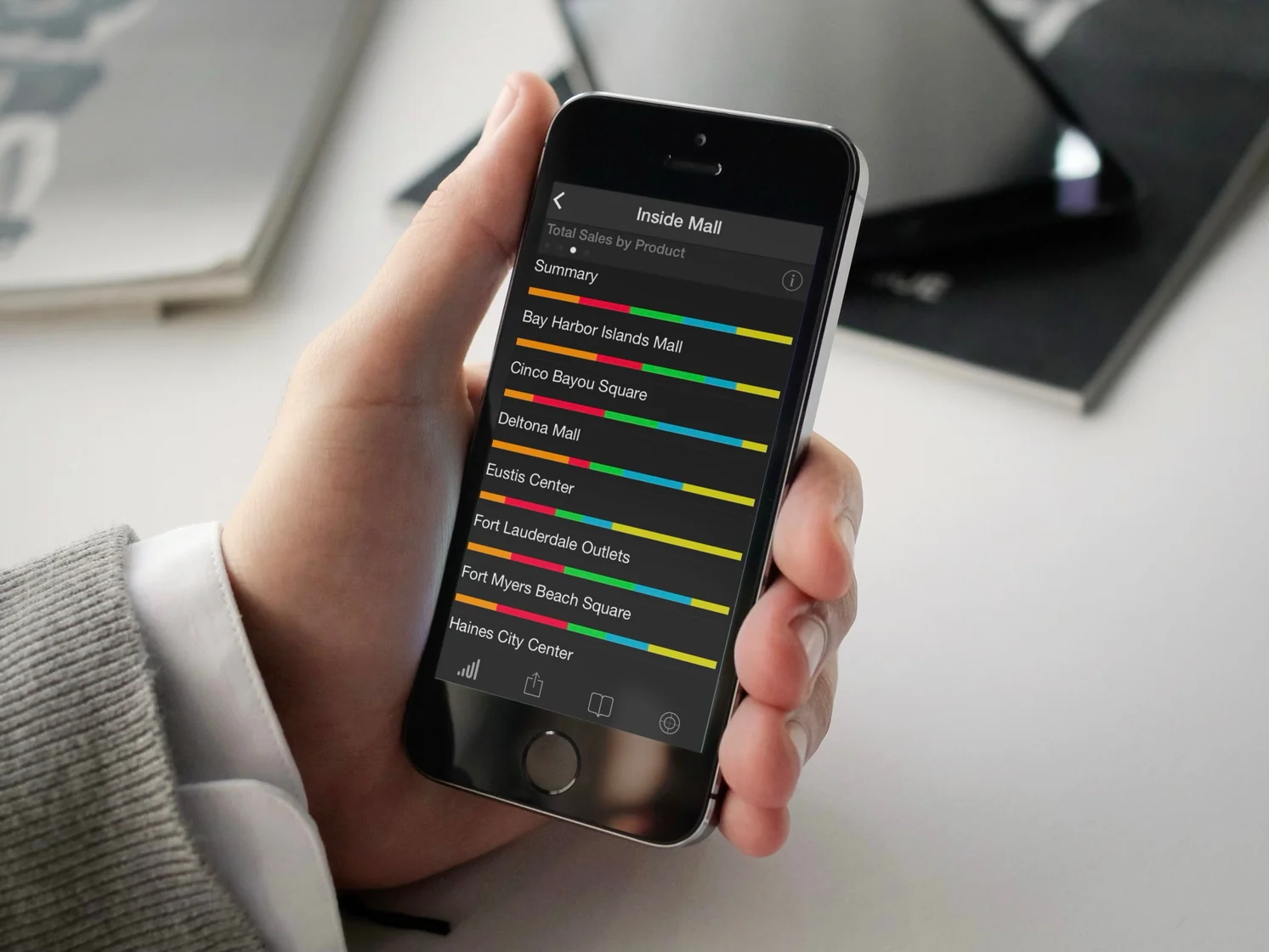
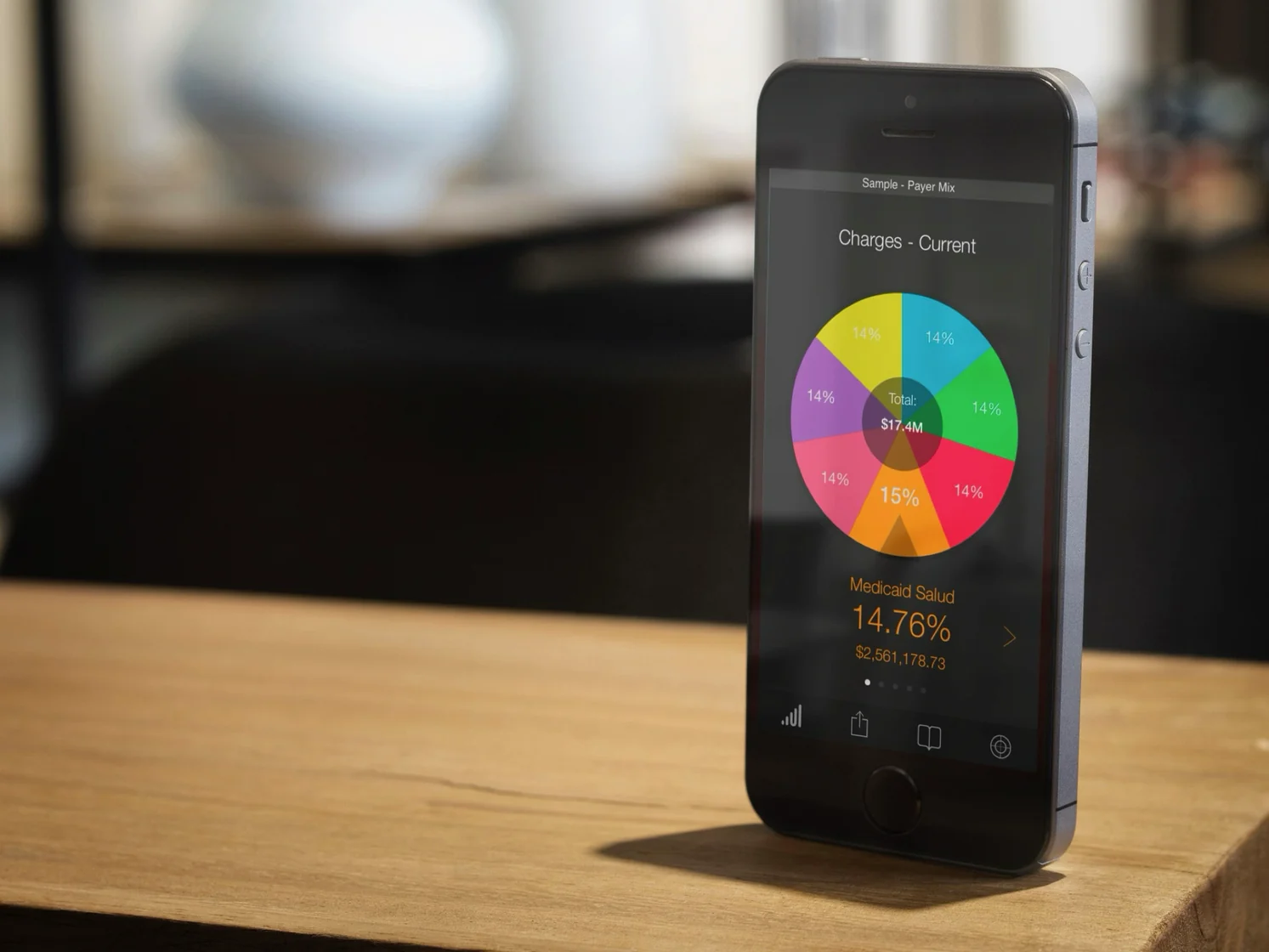
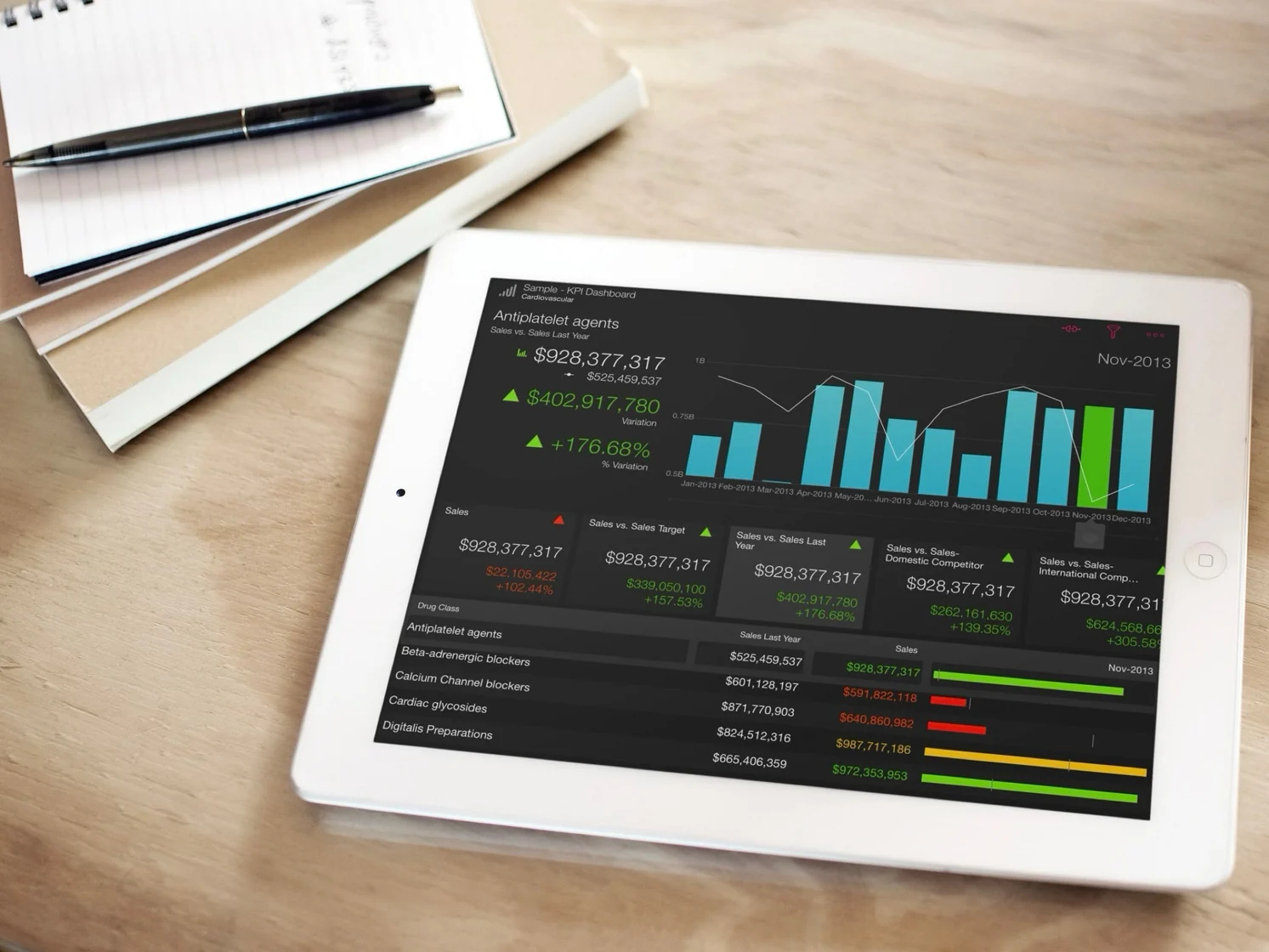
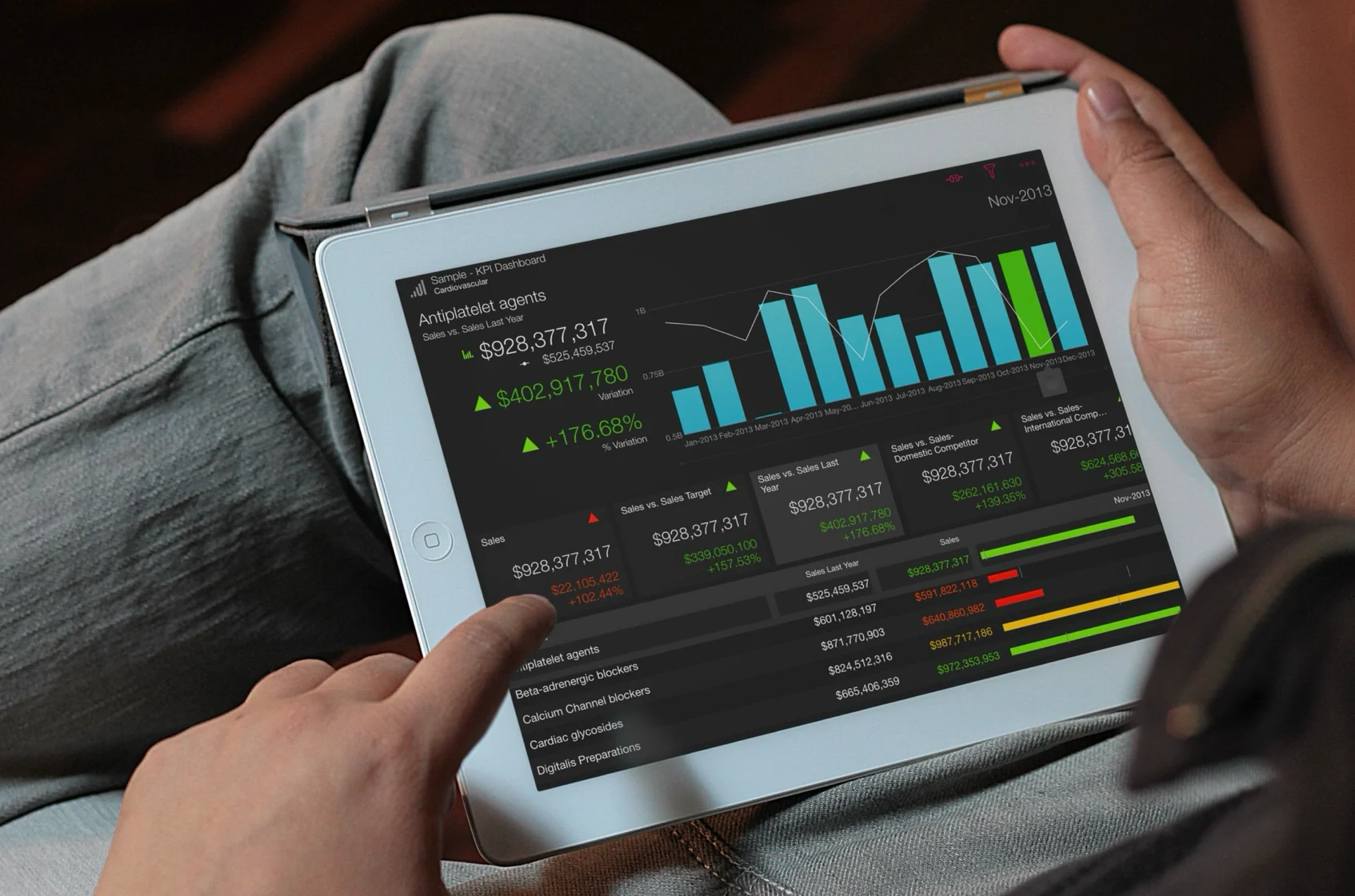
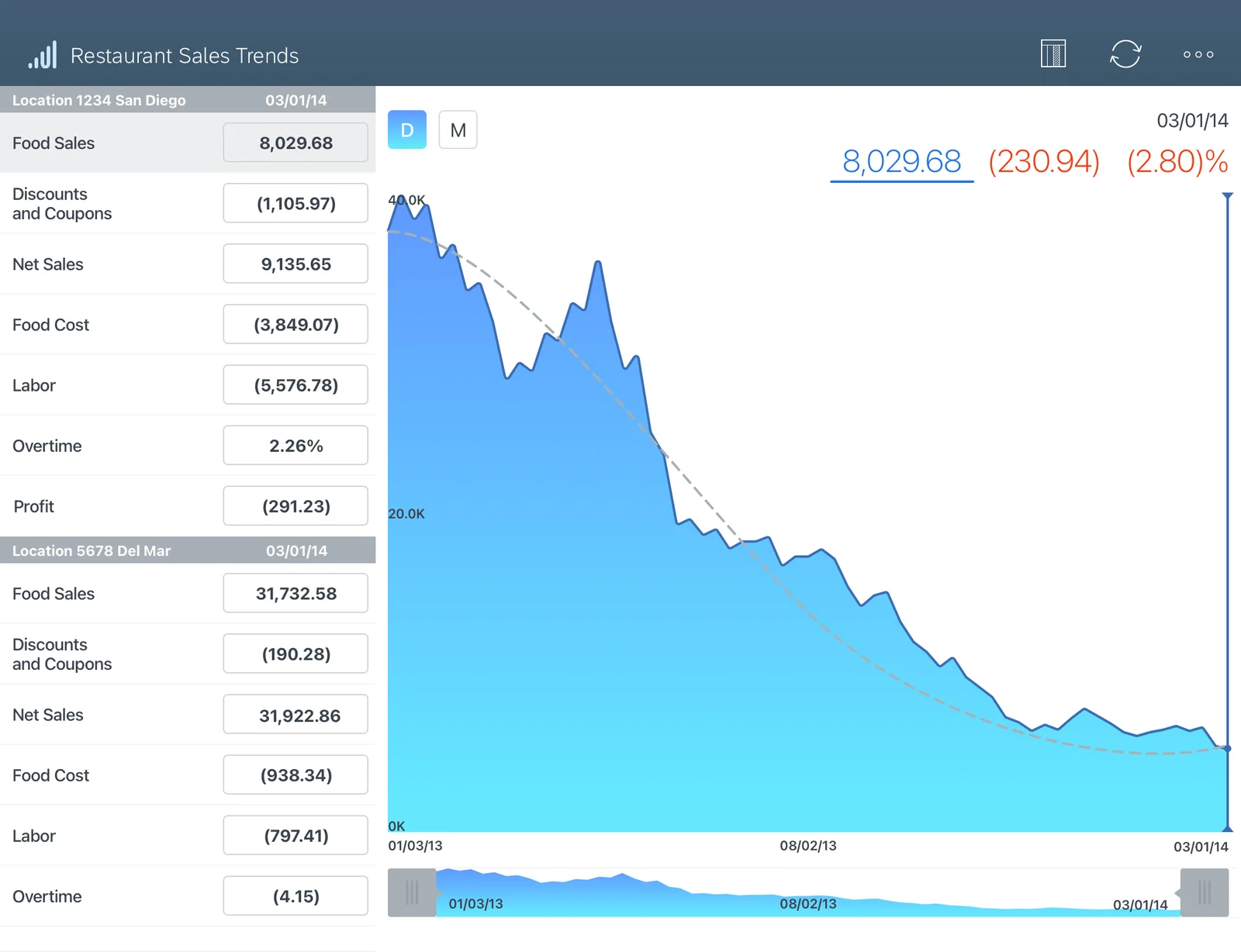
Apple's iPad in Business page at apple.com, headlined Transforming enterprise, with Roambi running on the iPad in the hero image. An iPhone held in one hand showing total sales by product across a list of shopping centres, each row carrying its own coloured bar. An iPhone resting on a table showing current charges as a segmented ring, with one payer broken out below it at 14.76 percent. An iPad on a desk beside a notebook and pen, showing a dashboard of pharmaceutical sales with a bar chart above rows of figures. The same dashboard held in both hands, a bar chart of antiplatelet agent sales above a table broken down by drug class. The Trends view on iPad, a restaurant sales trend line with a scrubber and a per-location breakdown down the left.

Apple selling iPad to the enterprise with Roambi on the screen, then the Views in motion and in real hands. Scroll sideways.

2007 · Motion and interaction

3D Charts

Before any of this I was making charts move. There was no D3, no WebGL, nothing to reach for, so these were rendered in 3ds Max, assembled in Macromedia Flash, and wired up with enough ActionScript to make them answer to a drag. Pull the slider and the columns walk through the year, every other month still standing behind them in depth.

These are what got me the Roambi job.